
How Music Shapes the Toddler Day
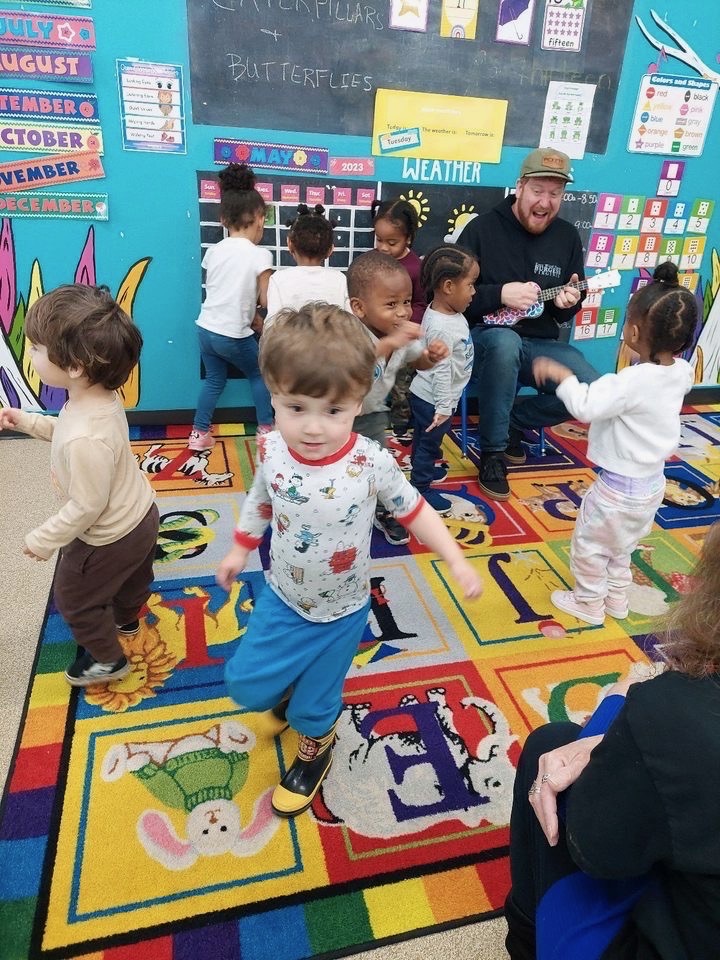
Toddlers are in constant motion, and at Drool of Rock we build our toddler daycare in Owings Mills around that energy instead of fighting it. Rhythm and movement games, marching, stomping, clapping to a beat, give toddlers a physical outlet while quietly teaching body awareness, coordination, and concepts like fast and slow, loud and quiet.
Music also drives language development at this age. Repetition-heavy songs with simple, predictable lyrics help toddlers absorb new words and sentence patterns, and call-and-response singing encourages them to start using words and short phrases with confidence. Every transition in our toddler room, cleanup, lining up, moving to the next activity, is cued by a familiar song, so toddlers learn what’s coming next without a struggle.
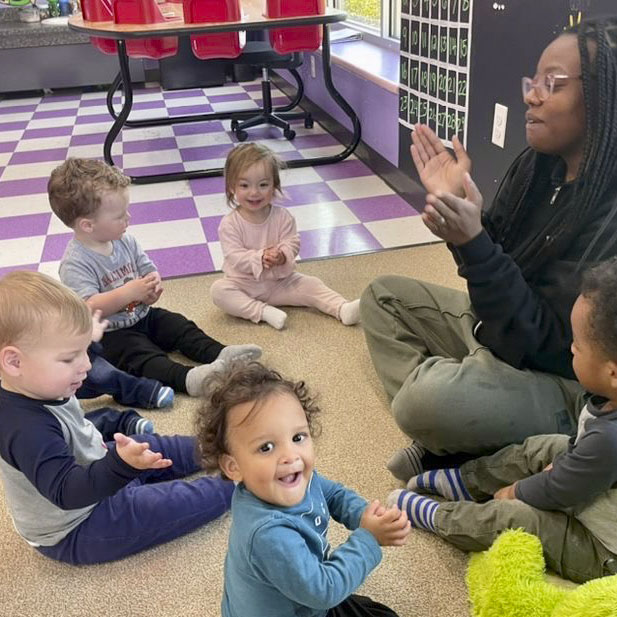
Group music time also becomes an early lesson in social skills. Ensemble play, where toddlers shake instruments together or sing as a group, introduces the beginnings of turn-taking and shared attention, skills that matter even more once they move into our preschool program.
Toddler Daily Schedule
A typical day in our toddler room blends structure with the flexibility toddlers still need at this age. Arrival is greeted with music, an upbeat song that helps children transition from goodbye to the classroom. Circle time follows with songs that introduce the day’s theme, colors, letters, or a simple concept, through singing rather than a lecture.
After snack, outdoor time incorporates movement songs and simple rhythm games that get toddlers running, jumping, and marching. Lunch is followed by naptime, wound down with the same handful of lullabies each day so toddlers learn to associate them with rest. Afternoons bring free play layered with quiet background music and a final music-based activity before pickup, giving parents a consistent, calm handoff at the end of the day.
Because our campus sits close to major routes connecting these communities, parents from Pikesville and Lutherville often tell us the drive is easier than they expected — a few extra minutes for a center that treats music, movement, and structured play as core to early learning, not an add-on. Wherever you’re coming from in the Owings Mills area, we’ve built our programs, tour process, and communication with commuting families in mind.
What Toddlers Are Working On at Drool
Between 12 and 24 months, toddlers move through some of the fastest developmental changes of early childhood,
and our program is built to support each area.
Vocabulary explosion
This is the age when many toddlers go from a handful of words to dozens, and our song-based approach to language gives them repeated, low-pressure exposure to new vocabulary every day.
Gross motor development
Climbing, jumping, and walking with more confidence are all major milestones at this age, and our movement-and-rhythm activities give toddlers a structured, safe way to practice these skills throughout the day.
Early
independence
Toddlers are beginning to want to do things themselves, feeding, undressing, choosing activities, and our caregivers support that budding independence while staying close enough to help when needed.
Beginning
peer play
Toddlers are just starting to notice and interact with the children around them, moving from playing alongside peers to brief moments of playing with them, and our group music activities give them natural, structured opportunities to practice that.
Emotional
regulation
Big feelings are common at this age, and a familiar, calming song is often the fastest way to help a frustrated or overwhelmed toddler settle back down, faster than words alone.
Toddler Room Setup
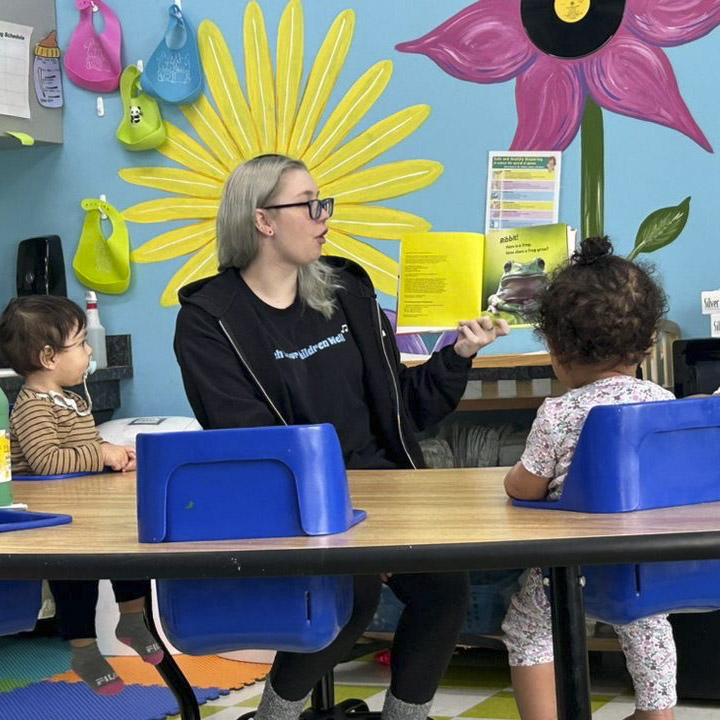
Our toddler room is scaled to toddlers, with child-sized furniture, low shelving they can reach themselves, and a layout that gives them room to move safely. A dedicated music instrument corner holds shakers, small drums, and other toddler-safe instruments that children can explore during free play, not just during structured music time.
We maintain Maryland’s required staff-to-toddler ratio, typically 1 staff member for every 6 toddlers, so caregivers can give meaningful individual attention while still running group activities. The room includes outdoor access for daily movement time, and a clean, separate space for naptime so toddlers can wind down away from active play areas.
Transitioning from Infant Care
For families already enrolled in our infant program, moving into toddler care at 12 months is designed to feel like a gentle shift rather than a big change. Children stay in the same building, often with caregivers they already know from the infant room, which helps ease the adjustment for both toddlers and parents.
We pace the transition around each child’s readiness rather than a hard cutoff date, so some toddlers move at exactly 12 months while others move a little later depending on their development. Familiar songs and routines carry over from the infant room where possible, giving toddlers a sense of continuity even as their classroom, activities, and independence level change.

Tuition Tier for Toddler Care
Toddler care tuition typically falls below infant care but above our preschool and Pre-K rates, reflecting Maryland’s required staff-to-toddler ratio of about 1 to 6. For current toddler tuition rates, availability, and enrollment details, visit our Daycare Enrollment page or contact our team directly, since rates and open spots can change based on classroom capacity.