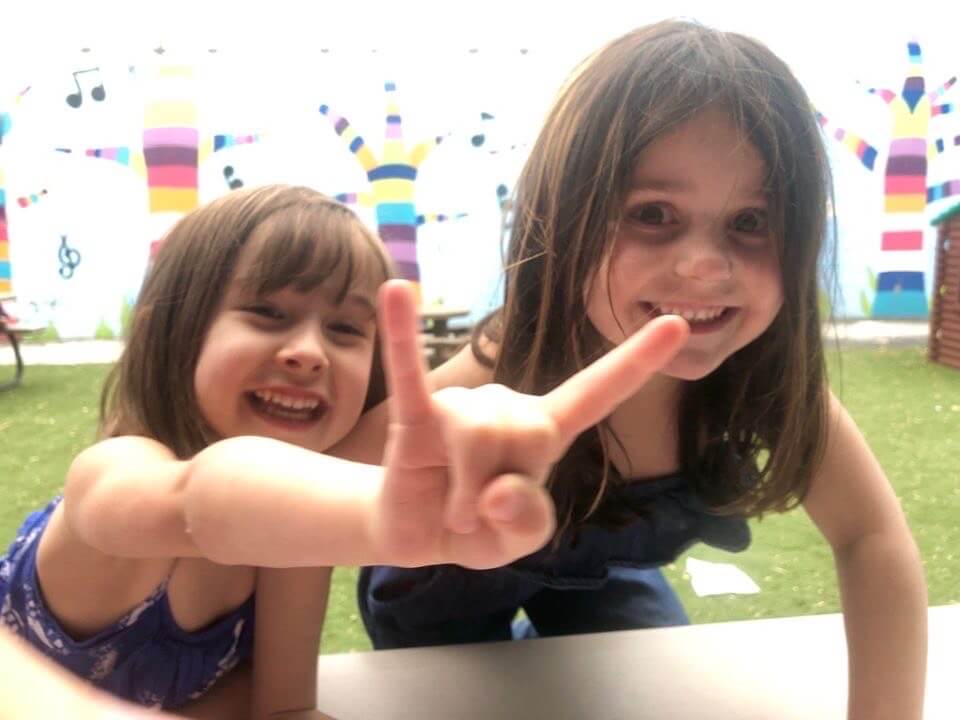
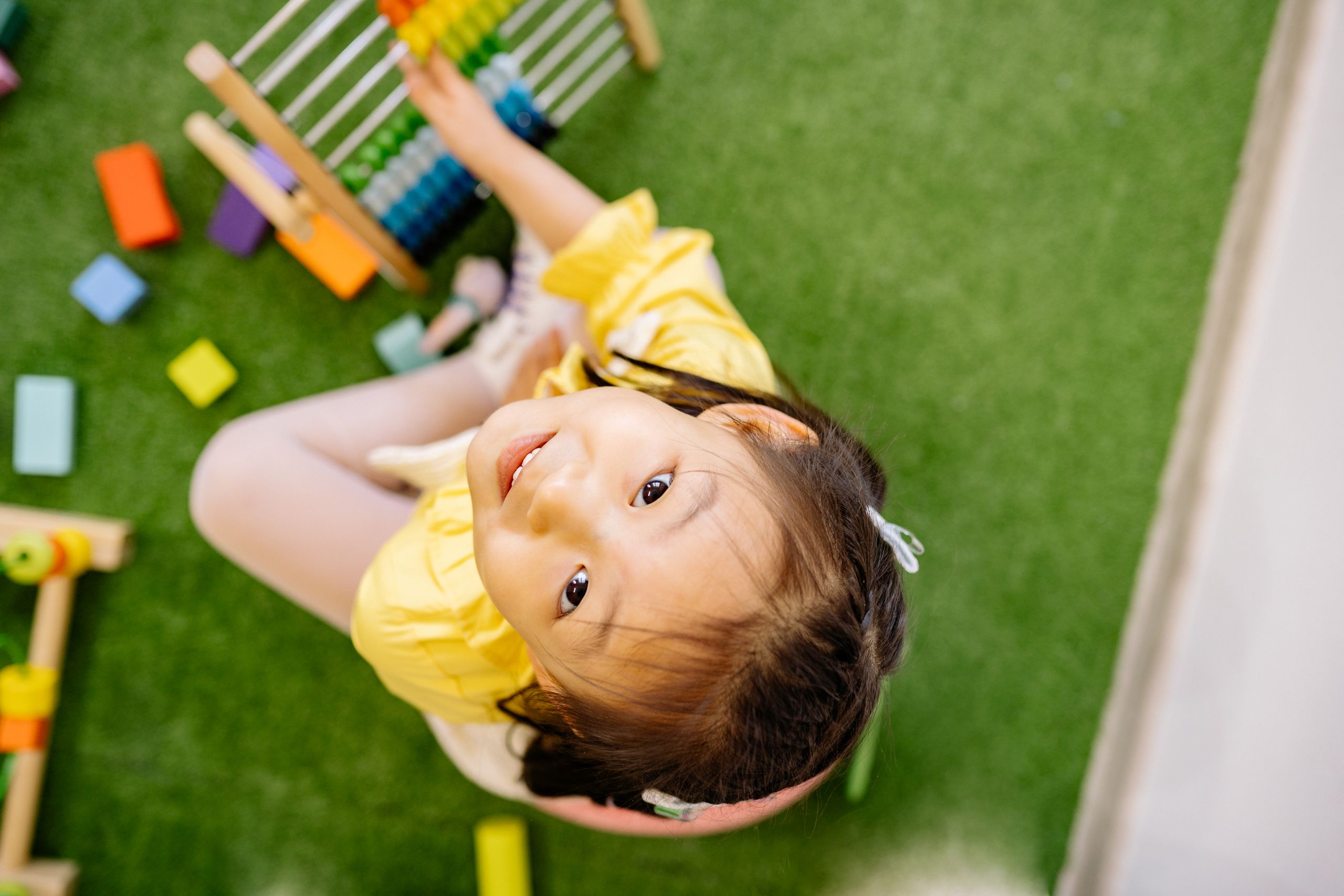
Preschoolers are learning a lot more than letters, numbers, colors, and shapes. They are also learning how to be part of a group, express big feelings, make friends, wait their turn, and recover when things don’t go exactly as planned.
These skills are all part of social emotional development in preschool, and they play an important role in preparing children for kindergarten and beyond.
At Drool of Rock in Owings Mills, music gives children a fun and natural way to practice these skills throughout the day. Singing together, moving to a beat, playing instruments, and participating in group activities give children opportunities to communicate, cooperate, express themselves, and build confidence.
And because they’re having fun, much of that learning happens without children realizing they’re “practicing” anything at all.
What Is Social Emotional Development in Preschool?
Social-emotional development is the process of learning how to understand emotions, interact with others, develop relationships, and manage behavior.
For preschool-age children, this can include learning how to:
- Recognize and name emotions
- Express wants and needs
- Take turns
- Share with others
- Listen and follow directions
- Work as part of a group
- Handle frustration
- Develop empathy
- Build friendships
- Feel confident trying something new
These aren’t skills children master overnight. Just like learning the alphabet or counting, social-emotional skills develop through practice.
A preschool classroom provides plenty of opportunities for that practice.
Why Music Is Such a Natural Social Activity
Think about what happens when a group of children makes music together.
They listen.
They watch one another.
They wait for cues.
They take turns.
They move together.
Sometimes they’re loud. Sometimes they’re quiet. Sometimes one child gets a moment to shine while everyone else listens.
All of those little moments require children to pay attention to themselves and the people around them.
That’s one reason music can be such a valuable part of social emotional development in preschool.
At Drool of Rock, music is woven throughout the learning experience rather than treated as an occasional special activity. Children experience rhythm, songs, movement, and musical exploration as part of their regular routines.
That creates opportunities to practice social-emotional skills again and again in ways that feel playful rather than forced.
Music Helps Children Identify and Express Emotions
Young children can have very big feelings without always having the words to explain them.
Music offers another way to communicate.
A song can sound happy, silly, exciting, peaceful, or even a little sad. Teachers can use those differences to start simple conversations about emotions.
How does this song make you feel?
Does this music sound excited or calm?
Can you move your body like you’re happy? What about sleepy?
Activities like these help children begin connecting feelings with words, sounds, facial expressions, and body language.
Music also gives children a safe outlet for self-expression. A child who may be hesitant to speak in front of a group might feel much more comfortable dancing, clapping, singing along, or playing an instrument.
There isn’t always a “right” answer. Sometimes children simply get to express themselves.
Group Music Teaches Cooperation
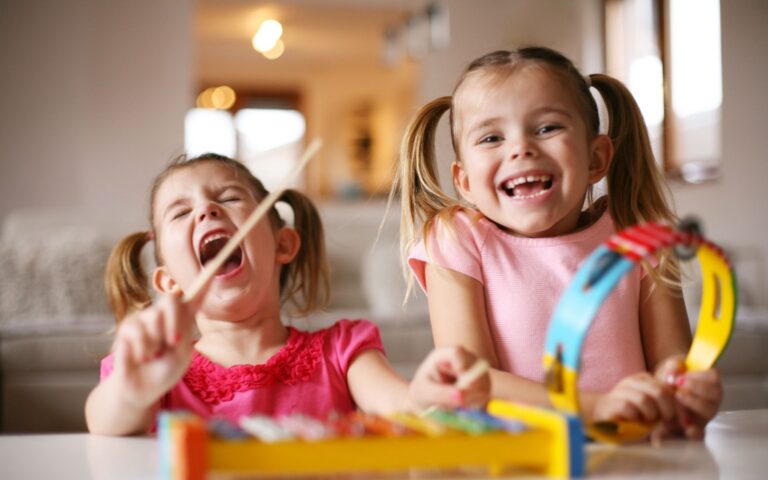
Give several preschoolers instruments and you may initially get something closer to enthusiastic noise than a concert.
But that’s part of the fun — and the learning.
Group music activities teach children that everyone has a role.
One child may shake a tambourine while another taps a drum. They may need to wait for the teacher’s signal before beginning or stop when the music stops.
Children begin learning an important lesson: what I do affects the group.
This kind of cooperative play can help children practice listening, patience, turn-taking, and teamwork.
Those same skills carry into other parts of the preschool day, whether children are building something together, playing outside, completing a classroom activity, or sitting together for story time.
Rhythm and Routine Can Help Children With Transitions
Transitions aren’t always easy when you’re three.
Stopping a favorite activity, cleaning up toys, getting ready to go outside, or settling down after energetic play can sometimes bring frustration.
Predictable musical cues can make those changes easier to understand.
A familiar cleanup song, for example, tells children exactly what’s happening next. A quieter song may signal that it’s time to slow down. A rhythmic activity can help bring everyone’s attention back to the group.
Instead of an abrupt change, music can create a bridge from one activity to another.
Predictable routines can also help children feel more secure because they begin to understand the rhythm of their day.
Music Creates Opportunities to Practice Self-Control
Music can be exciting, but it also requires control.
Imagine a simple stop-and-go music game. Children dance while the music plays and freeze when it stops.
It sounds like pure fun.
But children are actually practicing several important skills. They have to listen closely, control their bodies, follow directions, and resist the urge to keep moving after the music stops.
Clapping games and rhythm activities offer similar opportunities.
Children might have to copy a pattern, wait until it’s their turn, play quietly, play loudly, or stop on a signal.
These short bursts of playful self-control can help strengthen skills children will use in a more structured kindergarten classroom.
Making Music Together Can Build Confidence
Preschool is filled with firsts.
The first time speaking during circle time.
The first time making a new friend.
The first time being away from a parent for a full day.
The first time trying something and realizing, “I can do this.”
Music provides lots of opportunities for small successes.
Maybe a child remembers all the words to a song. Maybe they successfully copy a rhythm. Maybe they volunteer to demonstrate a movement for the class.
For an adult, those moments may seem small. For a preschooler, they can feel enormous.
When teachers and classmates respond positively, children learn that trying something new can be rewarding.
Over time, those experiences can help build confidence that extends beyond music.
Music Helps Children Connect With Each Other
There’s something special about doing something together.
When children sing the same song, dance to the same beat, or laugh during a silly movement activity, they’re sharing an experience.
Those experiences help create a sense of belonging.
Music can also make it easier for children with different personalities to participate in the same activity. The outgoing child can sing at full volume. A quieter child might tap along with an instrument. Another might prefer to watch before joining.
Everyone can participate in their own way while still being part of the group.
That sense of connection is an important part of social emotional development in preschool.
The Goal Isn’t to Create Professional Musicians
At Drool of Rock, introducing children to music isn’t about turning every preschooler into the next rock star — although we certainly won’t complain if that happens.
The bigger goal is development.
Music provides another tool for helping young children learn about language, patterns, movement, creativity, emotions, and relationships.
A drum isn’t just a drum when a child has to wait for their turn to play it.
A song isn’t just a song when it helps a child learn the names of emotions.
A dance isn’t just a dance when an entire class has to listen and move together.
That’s where the magic happens.
Supporting Social Emotional Development at Home
Parents can use music at home in many of the same ways, and you don’t need special instruments or musical training.
Try:
- Having a family dance party and taking turns choosing songs
- Playing freeze dance to practice listening and self-control
- Singing a cleanup song before changing activities
- Clapping simple patterns for your child to repeat
- Listening to different types of music and talking about how each one feels
- Making homemade instruments from safe household objects
- Singing familiar songs together in the car
The activity itself doesn’t have to be complicated.
What matters most is interacting, listening, laughing, and participating together.
See Music-Infused Learning in Action at Drool of Rock
Choosing a daycare or preschool isn’t only about finding a place for your child to spend the day. It’s about finding an environment where they can learn, explore, build relationships, and become more confident in who they are.
Drool of Rock offers music-infused daycare and preschool for children ages 6 weeks to 5 years in Owings Mills, Maryland. Our approach combines age-appropriate learning with music, movement, creativity, play, and opportunities for children to grow socially and emotionally throughout their day.
If you’re searching for daycare or preschool in Owings Mills, we’d love to show you what makes Drool of Rock different.
Schedule a tour and come see how we put a little more rhythm into early learning.