
Late summer is decision time for many families weighing preschool options and planning for kindergarten. If you are asking how to build true school readiness without losing the joy of childhood, you are in the right place.
At Drool of Rock, learning is guided by rhythm, creativity, and play. Our teacher-created, music-first preschool curriculum helps 4 and 5 year olds grow confident with the routines, skills, and social experiences they will meet in kindergarten, while keeping every activity age-appropriate and fun.
Below is a look inside our music-integrated preschool readiness program, what children learn each week, and how it differs from private music lessons. You will also find a simple Kindergarten Readiness Through Music checklist you can use at home as you compare options.
What we mean by a music curriculum
A music curriculum is a structured plan that uses songs, rhythm, instruments, and movement to meet learning goals. In early childhood, that means music is not an add-on. It is the vehicle for teaching language, math, motor skills, and social-emotional learning throughout the day.
At Drool of Rock, teachers design weekly lesson plans that connect:
- Language growth to echo songs, story songs, and phonemic play
- Early math to rhythm patterns, steady beat, and counting games
- Fine and gross motor skills to instrument handling and movement
- Social-emotional learning to call-and-response, turn-taking, and calming beats
Professional musicians also lead enrichment that aligns with classroom goals, so the curriculum is consistent, playful, and developmentally on point.
Inside our weekly themes for rising kindergarteners
Each week centers on an engaging theme that ties music to pre-academics and classroom routines. A typical week includes:
- Morning circle with a steady hand-drum beat to practice listening, following directions, names, the calendar, and letter sounds
- Echo songs to highlight beginning sounds and rhymes, which builds phonemic awareness for future reading
- Rhythm-as-math, where children clap, tap, and step patterns, then count and compare sets
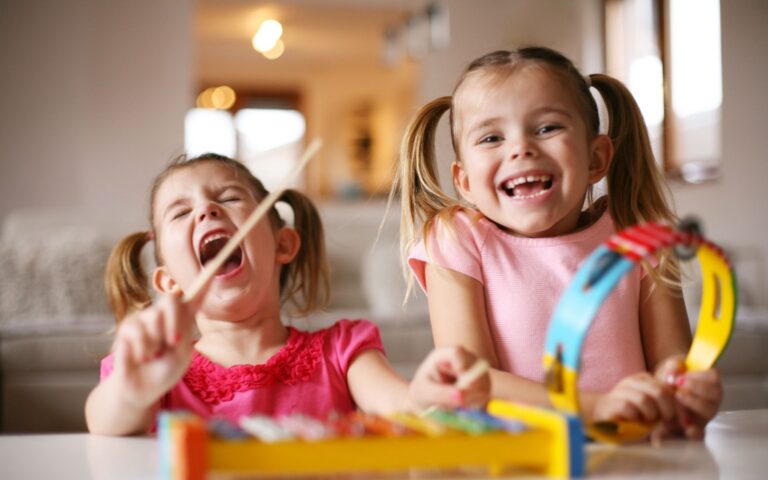
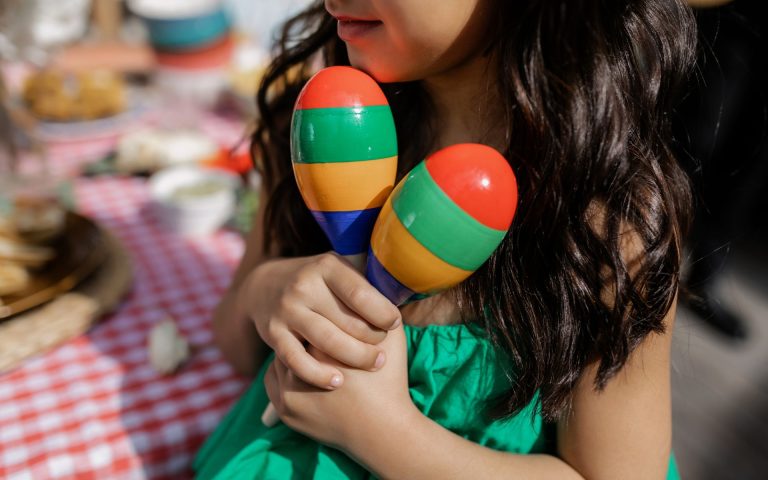
- Instrument exploration that strengthens fine motor control and finger dexterity using shakers, rhythm sticks, small drums, and beginner piano or ukulele
- Turn-taking games and call-and-response chants that build patience, perspective-taking, and flexible thinking
- Outdoor music play with hop-to-the-beat activities and sound scavenger hunts in our turf courtyard
- Calm-down beats and lullabies for transitions and rest, supporting self-regulation
Weekly lesson plans are shared with families, so you see how the theme translates into daily practice and progress.
How music powers core school skills
- Early literacy: Echo singing, syllable clapping, and story songs strengthen phonological awareness, vocabulary, and recall. Children practice letter-sound connections during rhythm-backed read-alouds.
- Math and problem-solving: Steady beat and patterning mirror number concepts. Children copy, extend, and create patterns; they count instrument taps, compare lengths of rhythms, and predict what comes next.
- Fine motor and writing readiness: Finger plays, rhythm-stick routines, and simple keyboard or ukulele work promote grip strength, bilateral coordination, and hand-eye control that support pencil use and name writing.
- Social-emotional learning: Music gives children tools to wait, listen, share, and self-regulate. Group singing builds belonging; drum-led start-and-stop games support impulse control; echo songs help children practice naming and managing emotions.
Kindergarten Readiness Through Music checklist
Use this quick checklist to spot growth. Mastery varies by child; aim for steady progress and joyful participation.
- Follows 2 to 3 step directions during music and movement
- Keeps a steady beat for 8 to 16 counts with claps, steps, or taps
- Writes or traces first name
- Recognizes and extends AB and ABC patterns with sounds, motions, or blocks
- Echo-sings short phrases and claps syllables in familiar words
- Starts and stops with the group on a drum cue, showing self-control
- Uses a proper crayon or pencil grip most of the time
- Shares instruments, takes turns, and waits for a signal before playing
How our program differs from private lessons
Families sometimes ask at what age a child should start music lessons. Formal, one-on-one instrument lessons typically fit best for older children who can sustain attention for longer, practice at home, and manage fine motor demands. Many kids are ready between ages 6 and 8, though interest and readiness vary.
Our preschool program is different. It is play-based and whole-child focused. Music is the medium for early literacy, numeracy, social-emotional growth, and motor development. Children explore multiple instruments, move often, and learn in small groups. The goal is not to perfect a piece. The goal is to build readiness skills, curiosity, and confidence that transfer to kindergarten and later music study.
Teacher-created routines that make learning stick
You will see consistent structures that help children thrive:
- Rhythm-as-math: We count stick taps, compare loud and soft sets, and build 2-beat and 4-beat patterns to visualize number.
- Echo songs for phonemic awareness: Short, catchy lines draw attention to rhymes and letter sounds without worksheets.
- Instrument handling for fine motor: Finger-thumb alternating on rhythm sticks, two-finger piano patterns, and gentle ukulele strums strengthen grip and control.
- Turn-taking and SEL: Call-and-response, drum-passing circles, and freeze-dance teach listening, patience, and teamwork.
These routines meet children where they are today, then carefully raise the challenge as skills grow.
Simple ways to teach early childhood music at home
Parents often ask how to teach early childhood music. Keep it short, playful, and repeatable:
- Sing daily routines, like a 10 second cleanup song and a 4-beat goodbye pattern
- Tap syllables in names and snack foods
- March to a steady drum or clap, then pause on a signal to build inhibitory control
- Create patterns with sounds, such as clap-clap-tap, and have your child copy, then extend
Short daily touches beat long sessions and set children up for a smooth preschool-to-kindergarten transition.
Musical activities perfect for 4 year olds
- Echo-singing call-backs with animal sounds to practice pitch matching and listening
- Rhythm-stick patterns that move from slow to fast to build tempo awareness
- Freeze-dance with start-and-stop drum cues for self-control
- Sound scavenger hunts outdoors to build attention and descriptive language
- Name-writing to a slow tap, pairing movement with fine motor planning
How music experiences boost cognitive growth
Music activates attention, working memory, and sequencing. When a child keeps a beat, they align listening, motor planning, and timing. Echo songs exercise auditory discrimination and memory. Patterning in music supports the same logical structures used in early math and reading. Combined with warm relationships and predictable routines, music becomes a powerful scaffold for cognitive development.
Visit, compare, and enroll
If you are exploring preschools in Owings Mills and nearby communities, we welcome you to see how music comes alive in our classrooms and outdoor courtyards. You can learn more about our Owings Mills early learning program and teacher-created plans, then visit our location to meet the team and experience circle time in person.
Drool of Rock serves families across Northwest Baltimore County, including Owings Mills and Pikesville. Our Owings Mills center is at 10 Easter Court, Suite C, Owings Mills, MD 21117. To talk through availability and next steps, call (410) 363-7625.
Summary
Kindergarten readiness is strongest when skills build through joyful, repeatable routines. A music-first, play-based curriculum helps children follow multi-step directions, keep a steady beat, write their names with control, and recognize patterns, while also growing empathy, attention, and confidence. If you are choosing a preschool now, come see how our music-integrated day helps rising kindergarteners shine. We would love to meet your family and show you what learning through rhythm looks like in action.